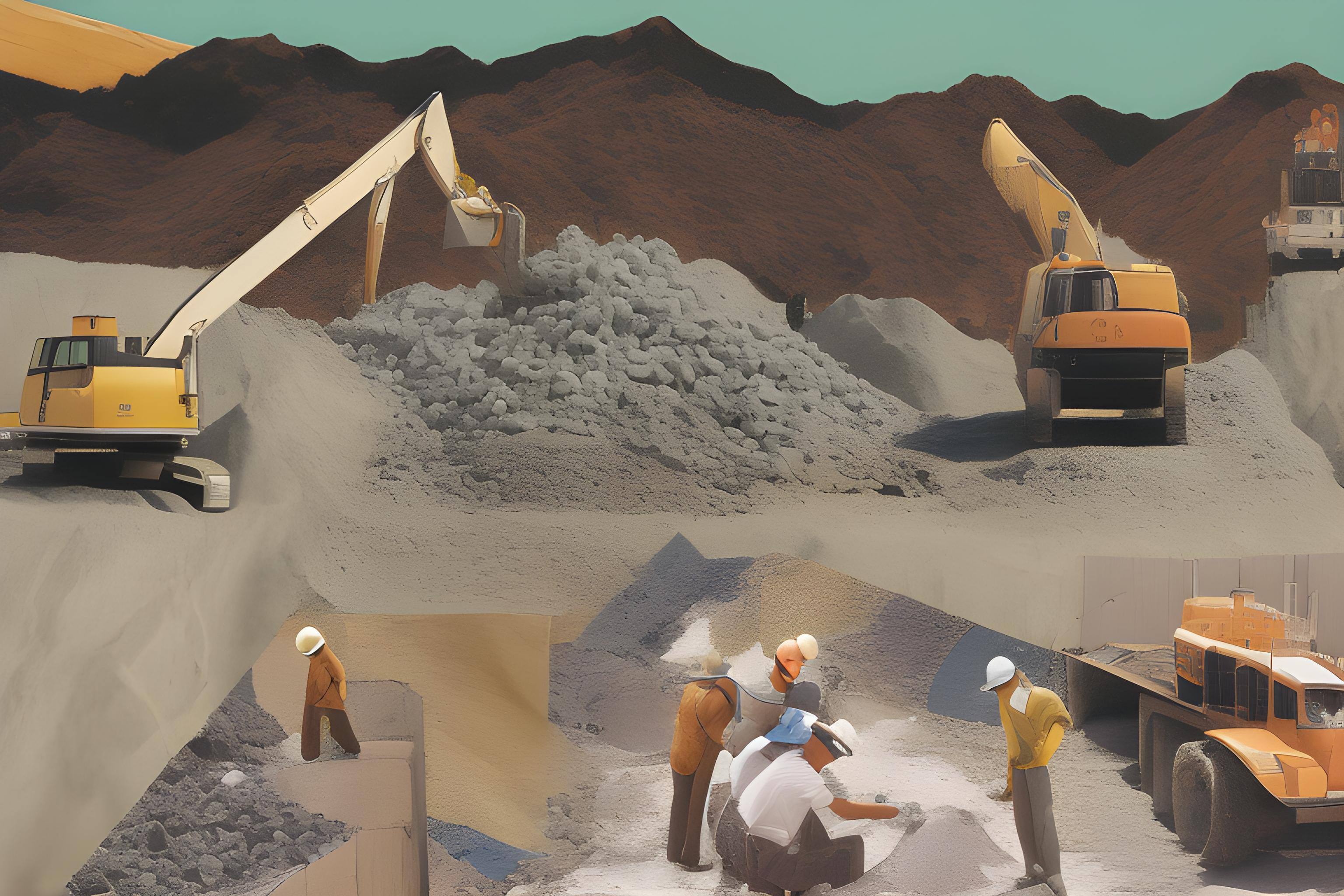
In the realm of construction aggregates, producers are constantly on the lookout for strategies to optimize production, reduce costs, and maintain quality. While establishing new sites can bring about fresh opportunities, there’s also great potential lurking beneath existing operations. By “digging deep” into your current site, you can unearth ways to enhance production and ensure the longevity of your operations. Here’s how:
1. Optimal Equipment Utilization
Optimal equipment utilization is about much more than just using machinery. It’s about understanding, adapting, and innovating to ensure that every piece of equipment contributes effectively to the production goals. By focusing on these areas, you can ensure you’re getting the maximum return on equipment investments.
Maintenance and Upkeep: Regularly maintaining your equipment ensures it runs at its optimum capacity. Scheduled checks, preventive maintenance, and timely replacements of worn-out parts can prevent unexpected downtimes, ensuring consistent production rates.
Maximizing Equipment Runtime: By scheduling shifts efficiently and minimizing downtime, you can get the most out of your equipment. This might involve using real-time monitoring systems to identify and rectify issues before they escalate.
Capacity Matching: Ensure that the equipment used is suited for the job’s size and scope. Using equipment that’s too large can lead to unnecessary capital and operational expenses, while equipment that’s too small might not meet production demands.
Training Operators: An equipment piece is only as good as its operator. Training sessions for operators not only ensure safety but also ensure that machinery is used efficiently and optimally. It can significantly reduce operational errors that lead to wear and tear or reduced output.
Evaluate & Upgrade: The aggregate industry, like many others, is continually evolving with the introduction of new technologies. Periodically evaluating and potentially upgrading to more efficient or automated machinery can offer better production rates and reduce costs in the long run.
Custom Solutions: Sometimes, off-the-shelf equipment might not be the best fit for your specific needs. Considering custom solutions or modifications to existing equipment can significantly enhance production capabilities tailored to your site’s unique characteristics.
2. Streamline Operational Processes
Training Programs: Equip your team with the skills to operate machinery optimally. Continuous training programs can lead to improved efficiency and reduced waste.
Optimize Workflow: Review your current operational flow. Identify bottlenecks and strategize on how to eliminate them to achieve a more streamlined production process.
3. Resource Management
Re-evaluate Extraction Methods: Depending on the geological nature of your site, switching up your extraction methods might yield better results. Consider methods that minimize waste and ensure a higher recovery of materials.
Recycling and Reuse: Consider investing in equipment that can recycle used aggregates. This not only reduces waste but can also lead to cost savings in the long run and has proven to be a great business model within metro areas.
4. Quality Control
Advanced Testing: Embrace advanced testing methods to ensure that your aggregates meet industry standards. This will help maintain client trust and reduce the chances of product returns. You may also find that your resource has the potential to produce additional products and open new potential markets.
Feedback Loops: Create a system where feedback from the end-users of your aggregates is actively collected and acted upon. This can lead to improvements in product quality and better meet market demands.
5. Exploratory Drilling and Mine Planning
Site Assessment: Continually assess your site to identify untapped sections that might contain high-quality aggregates. Techniques such as exploratory drilling can offer insights into the depth, extent, and quality of these reserves.
Update or Create Mine Plans: If you’re operating based on older mine plans, it might be time for a revisit. As technology advances and new data becomes available, mine plans can be refined for better optimization. An updated mine plan can help pinpoint exact locations for extraction, ensuring minimal waste and efficient resource utilization.
Lacking a Plan?: If your operation hasn’t had a formal mine plan in place, now is the perfect time to develop one. A well-crafted mine plan guides operations, ensuring that resources are extracted in a logical and sustainable manner. It can also act as a roadmap for future expansions, helping operations forecast potential obstacles and opportunities.
Collaboration with Geologists and Engineers: To create or refine a mine plan, it’s beneficial to collaborate with geologists and mining engineers. Their expertise can help make sense of the data gathered from exploratory drilling and other assessment methods, transforming it into actionable strategies.
Regulatory Compliance: Updated mine plans can also ensure that your operations stay in line with local and federal regulations. This can help avoid potential legal hurdles and ensures the sustainability of your operations in the long run.
6. Engage Experts
Hiring Consultants: Bringing in external expertise, like Burgex Mining Consultants can provide fresh perspectives on your operations. They can identify areas of improvement that might have been previously overlooked and provide strategies to tap into them.
7. Invest in Technology
Investing in technology doesn’t mean just buying the latest gadgets. It means integrating modern tools and approaches into the aggregate production process to enhance efficiency, reduce costs, and increase output. In the rapidly evolving technological landscape, staying updated and making informed tech investments can give aggregate producers a competitive edge.
Automation: As the industry progresses, automation solutions have become more accessible and practical. Automated systems in production, loading, and transport can significantly improve efficiency and reduce labor-intensive tasks. Automated crushers, for instance, can optimize rock crushing, and automated conveyor belt systems can increase the transport speed of materials.
Real-time Monitoring: Deploy sensors and equipment fitted with IoT (Internet of Things) capabilities. These can provide real-time data about equipment health, production rates, and operational inefficiencies. By identifying issues as they arise, producers can make instantaneous adjustments, leading to consistent and optimized production.
Data Analytics: With the large volumes of data generated from real-time monitoring, utilizing data analytics can offer actionable insights. By analyzing patterns, you can anticipate maintenance needs, adjust for efficiency, and forecast production capabilities.
Drones: Utilize drones for site mapping, stockpile measurements, and monitoring. Drones can provide accurate data faster and more safely compared to manual inspections, enabling better decision-making.
Software Solutions: Invest in software tailored for the aggregate industry. Software solutions can aid in tasks ranging from inventory management and production tracking to predictive maintenance and financial forecasting.
Sustainable Technologies: With increasing emphasis on sustainability, look into technologies that reduce emissions, recycle water, and minimize waste. For instance, electric-powered equipment might offer a sustainable alternative to diesel-powered machinery in certain applications.
Mobile Applications: Equip your on-ground teams with mobile applications that allow them to report, monitor, and communicate more effectively. This can significantly streamline operations and improve response times to any challenges that arise.
Conclusion
Enhancing production in existing aggregate sites is all about understanding your current resources and optimizing them. With a keen focus on continuous improvement and a willingness to adapt to modern methods and technologies, producers can ensure that their sites continue to yield high-quality aggregates for years to come. For those looking to dive even deeper into the nuances of the aggregate market, tools like Mineralocity Aggregates offer invaluable insights to stay ahead in this dynamic industry.